Art therapy is a creative therapeutic approach that uses art materials and the creative process to help individuals express and explore their emotions, thoughts, and experiences. It can be particularly beneficial for people who may find it difficult to express themselves verbally. Here are some common art therapy techniques:
 |
| Courtesy: Medium |
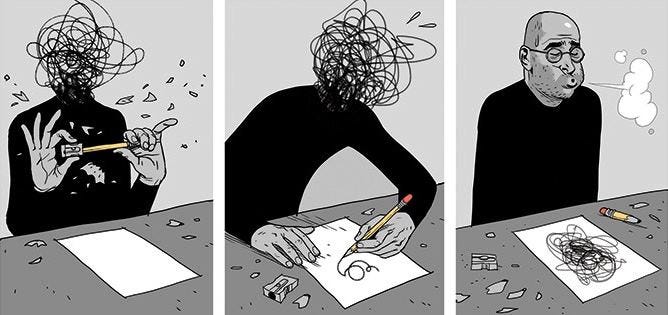
Free Drawing/Painting: Allow the individual to freely draw or paint without any specific instructions. This can help them express their feelings and thoughts spontaneously.
Mandala Creation: Creating mandalas can be calming and meditative. Mandala designs can represent the individual's inner world, and the act of coloring or drawing them can promote relaxation and self-reflection.
Collage Making: Provide magazines, newspapers, and other visual materials for individuals to cut and paste into collages. They can create collages that represent their emotions, aspirations, or personal stories.
Self-Portraits: Encourage individuals to create self-portraits using various art materials. This can be a way for them to explore their self-identity and how they see themselves.
Gestalt Art: In this technique, individuals can create different parts of a whole artwork and then combine them to form a complete picture. This can be a metaphor for integrating different aspects of their lives or selves.
Sculpture/Clay Work: Working with clay or other sculpting materials allows individuals to create three-dimensional representations of their feelings or experiences. It can also be physically therapeutic and grounding.
Emotion Color Wheel: Use colors to represent emotions. Ask the individual to choose colors that best represent their current emotional state and create an artwork using those colors.
Storytelling Through Art: Have the individual create a series of images that tell a story. This can help them process their experiences and emotions in a narrative form.
Nature-Based Art: Take the therapy session outdoors and use natural materials like leaves, sticks, and stones to create art. This can promote a connection to nature and a sense of grounding.
Emotional Expression through Abstract Art: Encourage individuals to create abstract art that represents their emotions, even if it doesn't resemble anything concrete. The focus is on the emotions conveyed through colors, shapes, and brushstrokes.
Art Journaling: Encourage individuals to keep an art journal where they can express themselves through drawings, paintings, and written reflections. This can be a consistent practice for self-exploration.
Group Art: In group therapy settings, collaborative art projects can promote communication and teamwork while allowing individuals to express themselves collectively.
Guided Imagery: Use guided imagery exercises to help individuals visualize images and then create artwork based on their mental images. This can be a way to explore inner landscapes and emotions.
Art therapy should always be facilitated by a trained art therapist who can guide the process and provide support as needed. It's a versatile approach that can be adapted to the specific needs and preferences of each individual.
Comments
Post a Comment